Did you know?
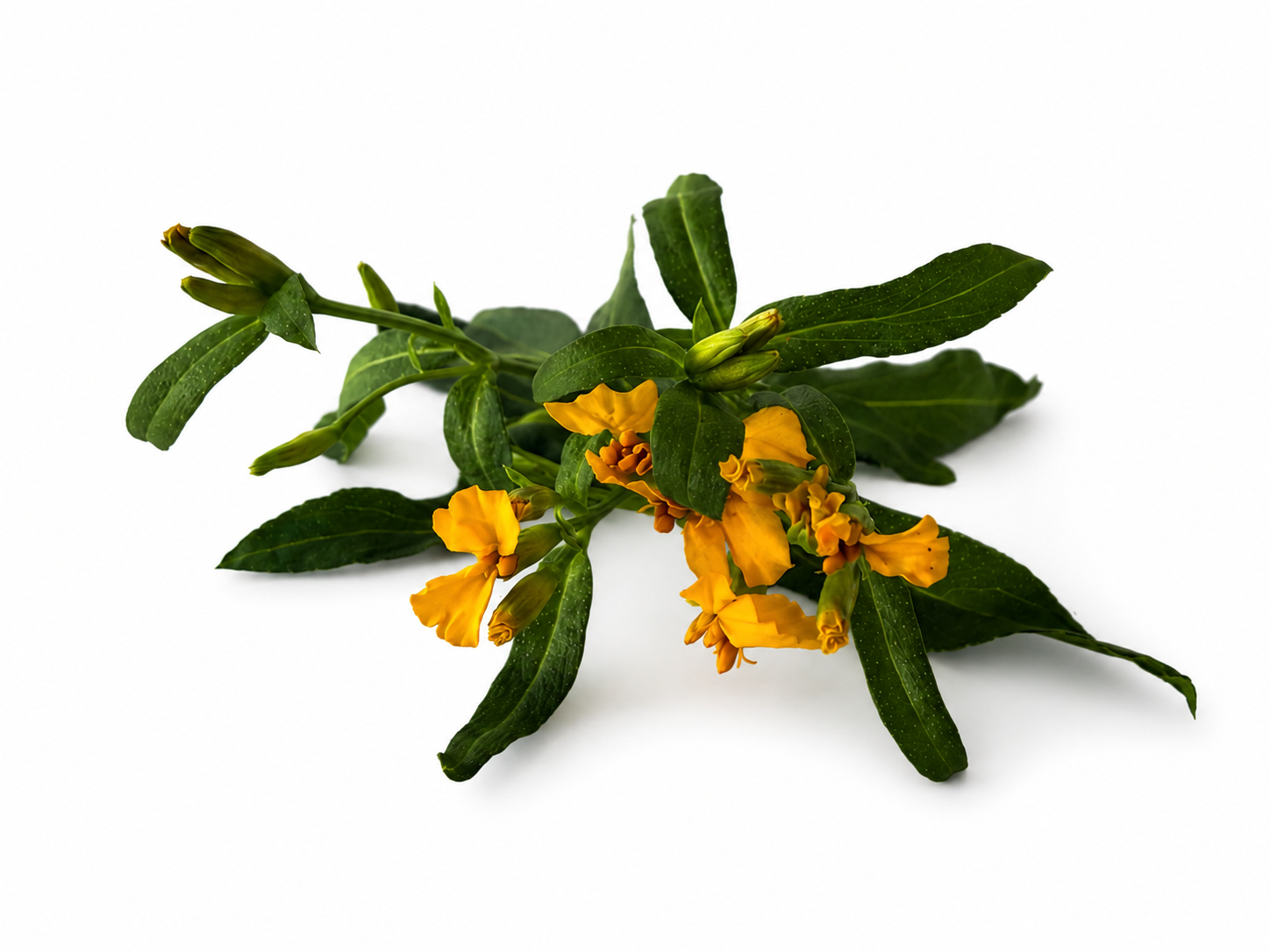
Texas tarragon is a hardy herb with a distinctive citrusy, anise-like flavour similar to French tarragon. With notes of licorice, mint, pine, and gentle sweetness, it’s a versatile addition to both savory and sweet dishes.
Kitchen Tips
· Texas tarragon is typically added fresh at the end of the cooking process to prevent wilting. The leaves have a delicate nature, quickly losing flavor when heated, and are best sprinkled as a finishing herb in dishes.
· Taste as you go, flavor can be subtle but builds quickly.
· Texas tarragon is most famously known for its similar flavor to French tarragon and is used as a substitute in recipes when French tarragon isn’t available.
Texas Tarragon is great for
The fresh leaves can be chopped and tossed into salads as a flavorful addition, minced and infused into dressings, marinades, vinegar, oils, and syrups, or finely sliced and stirred into soups and stews. Texas tarragon can also be utilized as an edible garnish for meat dishes, incorporated as a flavoring in homemade pickles, stuffed into peppers, or sprinkled over egg dishes and potato salads.
Take Care of your Texas Tarragon
Fresh: Store stems in a glass of water (like flowers) in the fridge, loosely covered.
Drying: Air dry small bunches—flavor holds better than many herbs.
Health & Nutrition
Texas tarragon contains vitamin A and C. It is rich in beneficial plant compounds like antioxidants and essential oils, providing anti-inflammatory and antibacterial properties, and can support digestion, relaxation, and overall health. It’s safe and beneficial when used in normal culinary amounts, especially fresh or lightly prepared.